
When discussing energy-efficient hot water systems, one term consistently stands out: COP.
For businesses, hotels, hospitals, student accommodation, and industrial facilities relying on commercial hot water systems, understanding COP is essential when evaluating performance, operational costs, and long-term system efficiency.
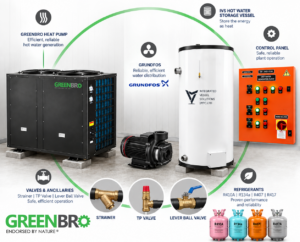
At Greenbro South Africa, we specialise in Mechanical Hot Water Plantroom Solutions designed to maximise efficiency, reliability, and energy savings across a wide range of applications.
What Does COP Mean?
COP stands for Coefficient of Performance.
It measures how effectively a heat pump converts electrical energy into usable thermal energy.
For example:
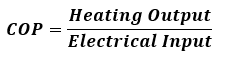
A heat pump operating with a COP of 4.0 produces four units of thermal energy for every one unit of electricity consumed. This is what makes heat pump systems significantly more efficient than conventional electric resistance heating systems.
Why Is COP Important?
A higher COP directly translates into:
- Lower electricity consumption
- Reduced operational costs
- Improved energy efficiency
- Lower environmental impact
- Better long-term return on investment
For commercial buildings with high hot water demand, even small improvements in COP can lead to substantial energy savings over time.
What Factors Affect Heat Pump Efficiency?
Ambient Temperature
Heat pumps extract energy from the surrounding air. Warmer ambient temperatures generally improve efficiency.
Advanced EVI (Enhanced Vapour Injection) technology heat pumps are specifically engineered to maintain stable performance even during colder operating conditions.
Required Water Temperature
Higher outlet water temperatures require the compressor to work harder, which may reduce overall COP.
Correct system design ensures the required temperatures are achieved without excessive energy consumption.
Mechanical Plantroom Design
One of the biggest factors affecting heat pump efficiency is the quality of the overall plantroom design. Incorrect pipe sizing, poor water circulation, undersized storage vessels, and inadequate balancing can severely reduce system performance. Professional Mechanical Hot Water Plantroom Solutions ensure all components operate together efficiently.
The Importance of Proper Storage & Circulation
Storage vessels and circulation systems play a critical role in maintaining plantroom stability.
Correctly designed systems help:
- Reduce compressor cycling
- Maintain stable temperatures
- Improve recovery times
- Increase overall system efficiency
- Support peak demand periods
This is especially important in hotels, hospitals, student accommodation, and large residential developments.
Maintenance Also Impacts COP
Even the best-designed system can lose efficiency over time without regular maintenance.
Common issues that reduce heat pump efficiency include:
- Dirty heat exchangers
- Poor water flow
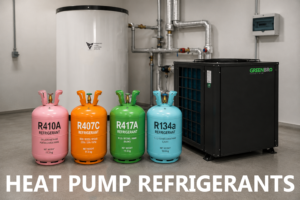
- Refrigerant issues
- Blocked strainers
- Faulty sensors
- Scaled pipework
Routine servicing helps maintain optimal COP and protects the lifespan of your equipment.
Smart Monitoring & Future Efficiency
Modern hot water systems are moving toward intelligent monitoring and predictive maintenance.
By using smart monitoring platforms, operators can remotely monitor:
- Energy consumption
- Temperature trends
- System alarms
- Operational efficiency
- Plantroom performance data
This allows businesses to identify inefficiencies early and maintain consistent system performance.
Final Thoughts
Understanding COP is essential when evaluating any commercial heat pump system.
However, true efficiency comes from more than just the heat pump itself. Proper mechanical plantroom design, correct sizing, smart controls, routine maintenance, and quality installation all play a vital role in achieving long-term performance.
At Greenbro South Africa, we deliver complete Mechanical Hot Water Plantroom Solutions designed for maximum efficiency, reliability, and operational savings.
Call To Action: Request A Costed Proposal.